
One year ago today, our geneticist called me with our son’s diagnosis.
I couldn’t even tell my wife.
I had both boys in the car. Hannah was still at work. When the doctor asked, “Is now a good time to talk?” I said yes.
I thought they were about to tell me everything was normal. That the whole genome testing hadn’t found anything, and we could move on with life as usual.
I was wildly underprepared for what they were about to say.
They told me Oliver’s testing showed RNU4-2, also known as ReNU syndrome.
And I froze.
“What does this mean?”
That’s the only question I remember asking. Beyond that, I don’t remember a thing.
They kept talking. I couldn’t process it.
I couldn’t find the words
What I remember most is trying to get the boys out of the car while feeling completely paralyzed.
I was still their dad. They still needed me to get them out. But I had just heard something about my son that I didn’t understand, and I had no idea what to do with it.
At the same time, I was dreading the conversation I would have with Hannah when she got home.
How was I supposed to tell her? What could I explain when I hadn’t absorbed the explanation myself?
When she got home, I couldn’t find the words.
So I had the geneticist call her and explain it themselves.
That part probably deserves its own story. But I’m sharing it here because I want you to understand how little I was able to do with that news in the moment.
I didn’t have a thoughtful response. I didn’t know what questions to ask next. I couldn’t even repeat what I had been told to the person who most needed to hear it.
I froze.
If that’s where you are right now, I want you to know you aren’t the only one.
You don’t owe anyone a hopeful response today
Maybe you just got your own version of that call. Maybe you heard the diagnosis in an exam room. Maybe you’re still waiting for someone to explain what it means for your child.
You don’t owe anyone a hopeful response today.
You don’t have to turn this into a lesson. You don’t have to know how to tell your family. You don’t have to find the words that make everyone else feel better about what you’re going through.
You’re allowed to need the explanation again.
You’re allowed to say, “I didn’t understand any of that. Can we start over?”
You’re allowed to have someone else sit with you, take notes, or help you tell the people you love.
I needed the geneticist to explain Oliver’s diagnosis to Hannah because I couldn’t. A year later, I can say that plainly. At the time, I could barely say anything.
And you can love your child with everything you have while being terrified of what comes next.
We were.
Being afraid doesn’t mean you love your child any less. It means someone has just given you information that matters deeply, and you’re trying to understand how to care for a person you already love.
You don’t have to resolve all of that before the next meal, the next bedtime, or the next time your child needs you.
What a year has given us
One year later, there’s still a lot we don’t know.
I can’t write this story as someone who got through the hard part and now has all the answers. Oliver still has needs we’re learning how to meet. We still have questions about his future.
Some of what we’ve lived through this year has been hard in ways I couldn’t have understood sitting in that car.
I don’t want to erase that just to give this story an encouraging ending. Especially if you’re reading it in the middle of something that feels unbearable.
But that isn’t everything we’ve lived.
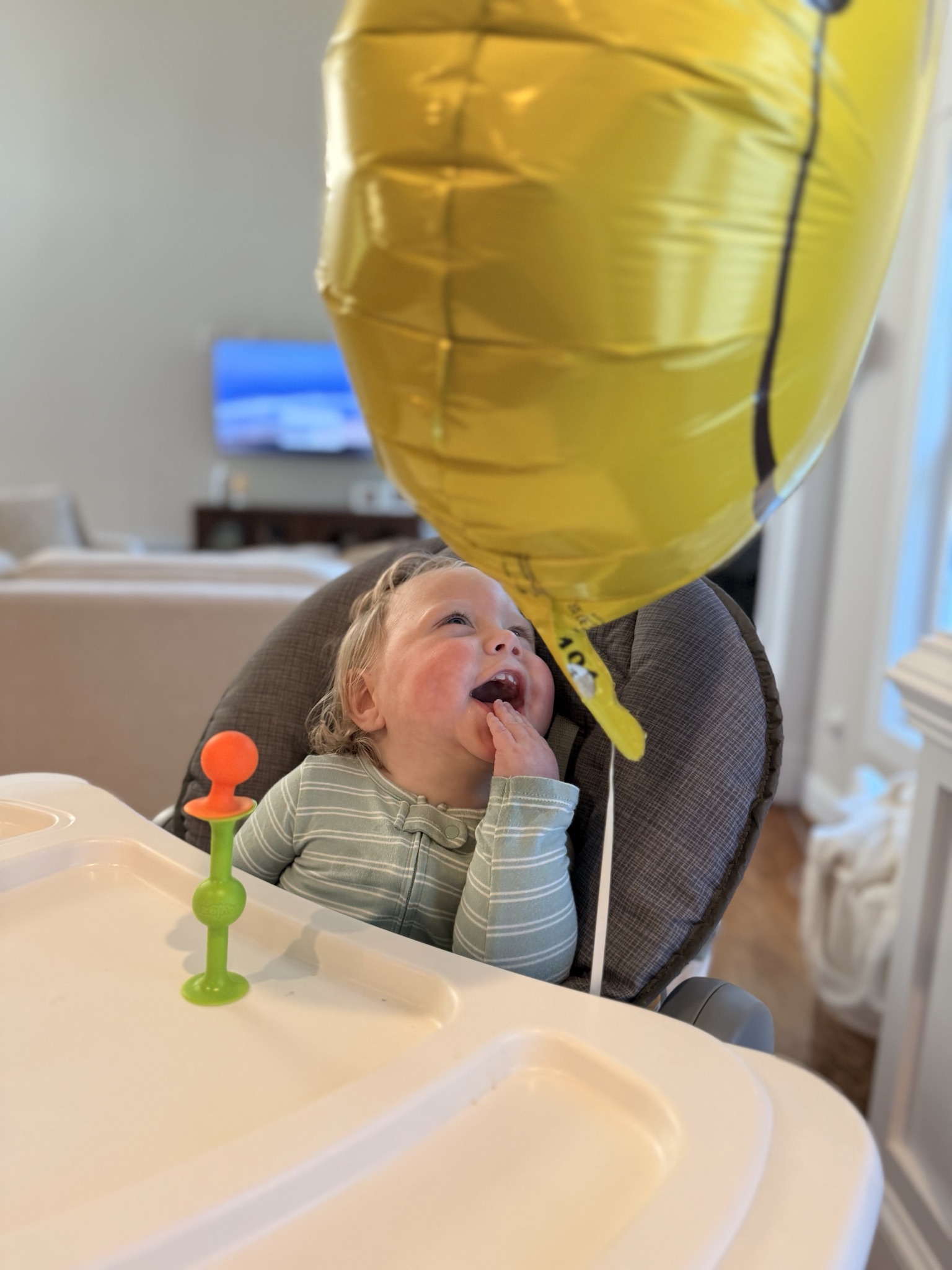
We’ve watched Oliver roll over. We’ve watched him laugh. We’ve found the things he loves. And we’ve watched Emmett become more comfortable with his brother and help with his care.
Those are things I can tell you now. They are moments we actually got to live, after a phone call that left me unable to imagine much of anything.
And we’ve kept getting to know Oliver.
When I think about him today, I know so much more than the name of his syndrome. I know him as his dad, through the time we’ve spent together and the care he needs from me.
The diagnosis matters. It helps explain things. It belongs in conversations about his health and the support he needs.
But it could never give me a complete picture of my son, or of what it would mean to be his father.
What that call couldn’t tell us
I’m careful about what I promise another family.
Your child’s diagnosis may be different from Oliver’s. Your circumstances may be different from ours. I don’t know what the coming year will ask of you.
I won’t tell you that everything will be okay. I remember how little I knew that day, and I still know too little to make that promise for someone else.
What I can offer is what I’ve learned in our own family.
I couldn’t have explained that to Hannah when she got home that day. I couldn’t have explained it to myself.
I needed time. I needed help. And I needed to keep getting to know our son.
If you’ve just received your own version of that call, you don’t have to feel hopeful because I’m writing this a year later.
You can be exactly where you are.
But in time, I hope you have your own moments to point to. Things you couldn’t have pictured when you first heard the diagnosis. Things you love about your child that no test result could have explained.
In time, I hope you can say the same.