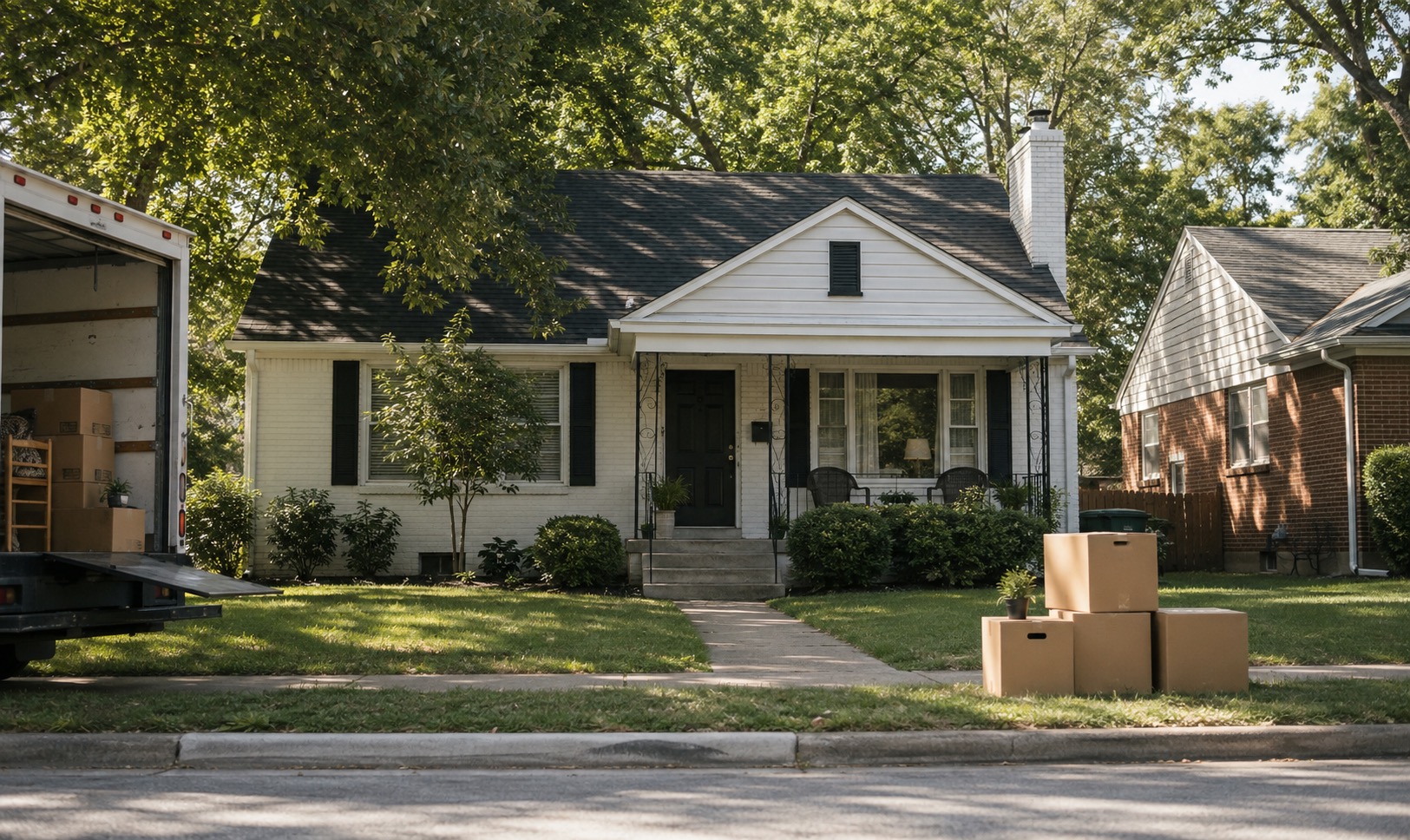

Residency is often the first time buying a home starts to feel possible. You finally have an income, you know where you'll be living for the next several years, and physician mortgage programs may remove some of the biggest barriers to buying.
But there is an important distinction:
The better question isn't simply whether a lender will approve you.
Does buying make sense for the life you're actually going to live over the next three, four, five, or seven years?
What You'll Learn
- How physician loans change the home-buying equation for residents.
- When renting may be financially smarter than buying.
- How residency length and future fellowship plans should affect the decision.
- How we used our own residency home strategically.
- The numbers and questions worth reviewing before making an offer.
Physician Loans Make Buying Possible. They Don't Make It Wise.
Traditional mortgage underwriting can be difficult for new physicians. You may have substantial student loan debt, limited savings for a down payment, and a residency salary that looks very different from the income you are likely to earn later in your career.
Physician mortgage programs were created around that unusual financial profile.
Depending on the lender and program, they may offer low or no down payments, eliminate private mortgage insurance, treat student loan obligations differently than conventional underwriting, or allow residents and fellows to qualify based on employment that is beginning soon.
Those features can be extremely useful.
They can also make it easier to buy more house than you actually need.
A physician loan answers whether someone will lend you the money. It does not answer whether buying the house is a good financial decision.
Your Residency Timeline Matters More Than the Mortgage
A three-year residency and a seven-year training program are very different home-buying situations.
If you buy before PGY-1 and need to sell three years later, you have a relatively short window for appreciation and equity growth to overcome the transaction costs of buying and selling.
And a mortgage payment is not the full cost of owning a home.
You also have closing costs, property taxes, homeowners insurance, maintenance, repairs, and potentially HOA fees. When you eventually sell, there are additional transaction costs to consider.
That's why comparing a $2,000 rent payment with a $2,000 mortgage payment doesn't tell you whether buying is cheaper.
You have to ask how long you realistically expect to own the property.
Are you considering fellowship? Could that fellowship require another move? Do you know whether you want to remain in the same city as an attending? Is your spouse's career portable?
The shorter and less certain the timeline, the more valuable flexibility becomes.
Renting Isn't Throwing Money Away
One of the most common arguments for buying is that renting is simply paying someone else's mortgage.
But rent purchases something valuable too:
Flexibility.
During residency, that can be worth a lot.
You may discover that you hate your commute. Your family may grow. Your spouse may receive a job opportunity somewhere else. Fellowship may take you across the country. Your ideal attending job may be nowhere near your residency program.
When you rent, those changes may require a move.
When you own, they may require selling a large and relatively illiquid asset.
Renting can also shift maintenance responsibilities to someone else during a season when time is already limited.
The HVAC doesn't care that you're post-call. Neither does the water heater, roof, lawn, or plumbing.
And if you're married to the resident, there is a decent chance some of those responsibilities land on you.
When Buying During Residency Can Make Sense
I wouldn't tell every resident to rent.
There are situations where buying deserves a serious look.
A longer residency gives you more time in the property. Staying in the same city after training improves the equation further. So does having enough cash reserves that buying doesn't empty your savings account.
The property itself matters too.
Maybe you're buying below your means. Maybe the home has a rentable basement. Maybe it's a duplex. Maybe there is room to improve the property without taking on a renovation that consumes your life.
The important thing is having a reason for buying beyond:
"We qualified for the physician loan."
What Buying During Residency Looked Like for Us
We bought a 1950s home before Hannah started a four-year OBGYN residency.
Our mortgage rate was 2.8%, which is important context. That gave us an advantage that someone buying in a very different interest-rate environment may not have.
But we also didn't enter residency thinking, We can qualify for a mortgage, so let's buy a house.
We had a strategy for the property before we bought it.
The house was about eight minutes from the hospital. Over time, we remodeled it and finished the basement as a studio apartment.
Because we lived so close to the hospital, we were able to rent that studio month-to-month to medical students who were rotating through the area.
That gave the property another way to financially work for us while we lived there.
Then when residency ended and we sold the house, we walked away with roughly $90,000.
We benefited from a low interest rate. We improved the property. We created rental income. And we sold at a time that worked in our favor.
Our experience is not a guarantee of what will happen for someone else.
But I do think the strategy matters.
Some residents buy as much house as a bank will approve and spend the next several years feeling trapped by the mortgage.
If you're going to buy, ask whether the property can do more than simply give you somewhere to live.
Could you house hack it? Is there realistic rental potential? Could you improve the property without overextending yourself? Are you buying below your means? Would you still be comfortable owning it if your plans changed?
A house during residency can simply be somewhere you live.
With the right property and the right strategy, it can also become a financial tool.
When I Would Lean Toward Renting
I would be much more hesitant to buy if you're entering a short residency, seriously considering fellowship somewhere else, uncertain where you'll practice after training, or stretching your budget just to make the purchase work.
I would also hesitate if buying requires draining nearly all of your savings.
Owning a house with no emergency reserves can turn a routine repair into a financial emergency very quickly.
And I'd be skeptical if the entire argument for buying is:
"The mortgage is about the same as our rent."
That's not enough information.
Before You Buy, Compare the Total Cost
Don't compare rent with only the principal-and-interest portion of a mortgage.
Look at the full ownership picture:
- Mortgage principal and interest
- Property taxes
- Homeowners insurance
- HOA fees, if applicable
- Closing costs
- Expected maintenance and repairs
- Renovation costs
- Cash needed at closing
- Potential selling costs
- The opportunity cost of the money tied up in the property
Then stress-test the decision.
What if you need to sell sooner than expected?
What if the house doesn't appreciate much?
What if you need a major repair during PGY-2?
What if fellowship takes you somewhere else?
If the purchase still feels comfortable under relatively boring assumptions, you probably have a much stronger case for buying.
Compare Physician Loans After You've Decided to Buy
Once you've decided that buying itself makes sense, then compare financing.
Get quotes from multiple lenders. Compare physician mortgages with any conventional options available to you.
Look beyond the advertised interest rate.
Compare the APR, lender fees, down payment requirement, mortgage insurance, cash required at closing, how student loans are treated, and the total monthly payment.
Different physician-loan programs can have very different terms.
Choose the housing strategy first. Choose the mortgage second.
The Question I'd Ask Before Buying During Residency
Forget whether the bank says you can afford the house for a moment.
Ask yourselves:
If this house doesn't appreciate the way we hope, our plans change, and we have to move when residency ends, would we still feel comfortable with this decision?
If the answer is yes, buying may deserve a serious look.
If the entire plan requires appreciation, future attending income, or a profitable rental conversion just to make the numbers work, renting for a few more years may be the smarter choice.
Residency is temporary.
Your housing decision should make those years easier, not simply give you another financial obligation to manage.